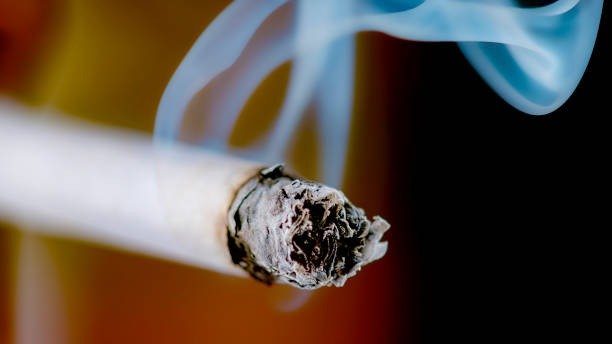

Menthol cigarettes have long been a popular choice among smokers across Canada, prized for their cooling sensation and smooth taste. However, many Canadians have noticed that menthol cigarettes are increasingly difficult to find on store shelves. This has left countless smokers asking: why are menthol cigarettes banned in Canada? This article explores the history, reasoning, and current landscape surrounding this significant tobacco control measure.
The Origins of the Menthol Cigarette Ban
Canada was actually one of the first countries in the world to implement restrictions on menthol tobacco products. The ban did not happen overnight — it was a gradual process that began at the provincial level before becoming a nationwide policy. Provinces like Nova Scotia and Alberta were early adopters, banning menthol cigarettes years before the federal government stepped in.
By 2017, the Canadian federal government officially banned menthol cigarettes nationwide under amendments to the Tobacco Act. This made Canada a global leader in menthol tobacco regulation, setting a precedent that other countries would later follow.

Key Reasons Behind the Ban
Canadian health authorities cited several compelling reasons for banning menthol cigarettes. Understanding these reasons helps explain why the government took such a firm stance on this particular tobacco product.
- Youth Appeal: Studies showed that the cooling, minty flavour of menthol cigarettes made them more appealing to young and first-time smokers, potentially serving as a gateway to nicotine addiction.
- Increased Smoking Persistence: Research indicated that menthol’s numbing effect on the throat made it easier for smokers to inhale deeply, which was linked to higher smoking rates and difficulty quitting.
- Public Health Concerns: Health Canada determined that menthol cigarettes posed similar, if not greater, health risks compared to regular cigarettes, contributing to respiratory illnesses and addiction.
- Reducing Overall Smoking Rates: The ban was part of a broader national strategy to lower smoking rates across all demographics, particularly among teenagers and young adults.
Timeline of the Menthol Ban Across Canadian Provinces
The rollout of the menthol cigarette ban varied by province before becoming a unified federal law. Below is a general overview of how the ban progressed:
| Province/Region | Year Banned |
|---|---|
| Nova Scotia | 2015 |
| Alberta | 2015 |
| Ontario | 2017 |
| Quebec | 2017 |
| Federal (Nationwide) | 2017 |
How Did the Ban Affect Canadian Smokers?
For long-time menthol smokers, the ban created a noticeable shift in purchasing habits. Many turned to alternative flavoured products or switched to full flavour cigarettes as a substitute. Others explored different brands and blends to find a similar smoking experience without the menthol component.
Retailers and online platforms like SmokeKing have adapted by offering a diverse range of tobacco products that comply with Canadian regulations while still catering to smoker preferences. Customers looking for quality alternatives can explore the flavour category to find options that suit their taste.

Is Menthol Completely Banned, or Are There Exceptions?
While the sale of menthol cigarettes is banned nationwide, it’s important to clarify a few nuances:
- The ban applies specifically to menthol-flavoured tobacco cigarettes sold commercially.
- Some menthol-flavoured cigars and specialty tobacco products may fall under different regulations depending on provincial rules.
- Vaping products with menthol flavouring are regulated separately under different legislation.
- Personal importation rules may differ, though commercial sale within Canada remains prohibited.
For smokers seeking legal, compliant options, browsing through all available products can help identify suitable alternatives that meet Canadian tobacco standards.
Health Impact: Why Health Canada Took Action
Health Canada’s decision was heavily influenced by data linking menthol cigarettes to increased smoking initiation among youth. Menthol’s cooling properties reduce the harshness typically associated with smoking, making it easier for beginners to start and continue the habit. This directly conflicted with Canada’s national tobacco control objectives aimed at reducing smoking prevalence to below five percent by 2035.

What Are the Alternatives to Menthol Cigarettes?
Since the ban, many former menthol smokers in Canada have shifted toward other options. Here are some common alternatives:
| Alternative | Description |
|---|---|
| Full Flavour Cigarettes | Traditional tobacco taste without menthol cooling effect. |
| Light Cigarettes | Milder tobacco blend for smokers seeking a lighter experience. |
| Ultra Light Cigarettes | Lowest tar and nicotine option among traditional cigarettes. |
| Cigars & Specialty Tobacco | Alternative tobacco formats not affected by the cigarette-specific ban. |
Smokers interested in exploring compliant menthol-style products can still check the menthol cigarettes category for any regionally available or legally permitted options.
The Bigger Picture: Canada’s Tobacco Control Strategy
The menthol ban is just one piece of Canada’s broader tobacco control framework. Other measures include plain packaging requirements, graphic health warnings, restrictions on advertising, and increased taxation on tobacco products. Together, these policies aim to discourage smoking initiation, particularly among youth, while supporting current smokers who wish to quit.
For adult smokers who choose to continue purchasing tobacco products legally, platforms like SmokeKing provide a convenient and reliable way to browse various brands and flavour categories while staying compliant with Canadian regulations.
Frequently Asked Questions
1. When did Canada ban menthol cigarettes nationwide?
The federal ban took full effect in 2017, though several provinces had already implemented their own bans starting as early as 2015.
2. Can I still buy menthol tobacco products in Canada?
Commercial sale of menthol cigarettes is prohibited across all provinces. However, other flavoured tobacco alternatives remain available through licensed retailers.
3. Why was menthol specifically targeted over other flavours?
Menthol was singled out due to its widespread popularity, its cooling effect that masks tobacco harshness, and strong evidence linking it to youth smoking initiation.
4. Are menthol vapes also banned in Canada?
Vaping products are regulated under separate legislation and may have different rules depending on the province, though many jurisdictions have also restricted flavoured vape products.
Understanding the reasoning behind Canada’s menthol cigarette ban helps put the country’s broader public health goals into perspective. While the change has shifted smoking habits nationwide, Canadians can still find quality tobacco alternatives through trusted retailers who prioritize compliance and customer satisfaction.