

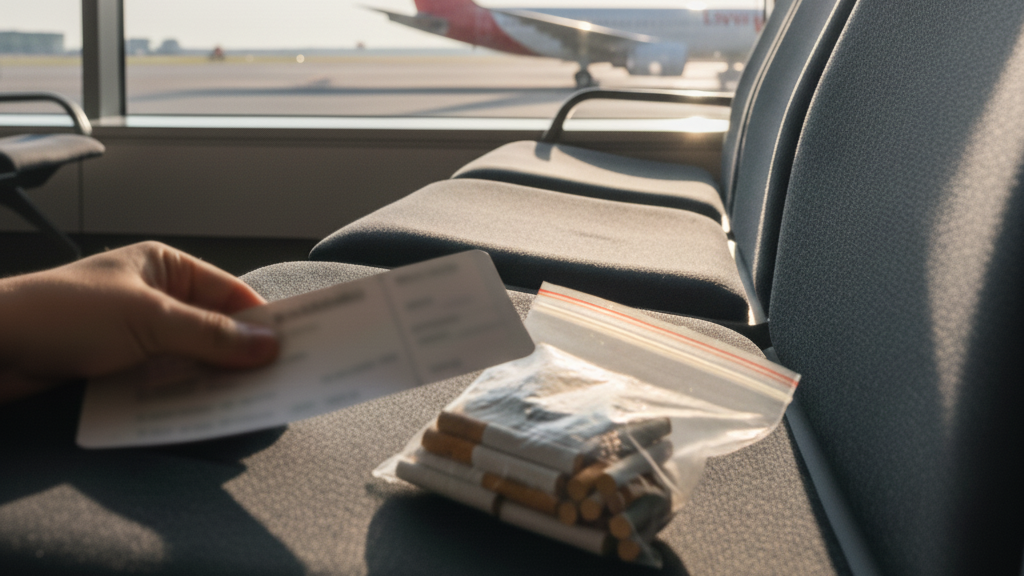
Transporting cigarettes from Canada is easy once you’re in the know. You are allowed to bring cigarettes on an aeroplane. But it is a good idea to be aware of today’s rules to avoid hassles at customs and security. This handbook advises all smokers in Canada on all the facts needed to transport cigarettes across borders in 2025.
How Many Cigarettes Can You Bring on a Plane from Canada?
Getting the figures correct will prevent expensive issues at the airport. The legislation in Canada allows carrying certain amounts in cash to be used personally. The amounts depend on the destination and the duration of stay.
Exit Limits
Transport Canada may import up to 200 cigarettes (a carton) in carry-on bags for private consumer use without special forms. This is true for domestic Canadian trips and overseas trips from Canadian terminals. You will be required to show evidence that you lawfully purchased them if importing a greater amount than this. This may involve special screening.
International Limits
Everyone but a handful of nations accepts Canada’s 200-cigarette allowance, but a few are even stricter. America has the same 200-cigarette allowance for visitors. European Union countries usually accept 200 cigarettes or 250 grams of tobacco products. Make certain to check the regulations at your destination prior to packaging.
Personal Use
Authorities determine what constitutes personal use by examining packaging and amount. Manufacturer packaging in the original packaging assists you. Loose or large quantities are suspicious. Bring the receipt evidence to show that you purchased them legitimately. This is particularly necessary in the case of high-cost or specialty brands to prevent moisture or suspicion from authorities unfamiliar with them.

3 Rules for Carrying Cigarettes on a Plane
The airline regulations complement government regulations to form an overall system to govern how you transport and pack cigarettes on board.
Carry-On
Major airlines in Canada permit cigarettes to be carried in carry-on luggage without restraint other than by the limitation on numbers. Packets of cigarettes in easily reachable areas of luggage should be screened. Do not cover them in aluminium foil or other coverings to impede X-ray screening.
Checked Baggage
Checked luggage offers greater freedom for bulkier amounts. Pack cigarettes in the original cartons when possible. Do not squeeze by placing them with soft goods. Climate shifts in cargo compartments do not damage cigarettes significantly, but moisture protection preserves quality on extended trips.
Air Carrier
WestJet and Air Canada adhere to typical Transport Canada procedures with no additional prohibitions. Foreign airlines in Canada might be differently regulated, so it is best to inquire with your direct carrier. Budget airlines sometimes have tighter weight restrictions on carry-ons and might alter the way in which you pack cigarettes.
Where to Buy Duty-Free Cigarettes
Smart cigarette purchasing saves money and helps you stay within legal limits. Duty-free shopping offers real savings, but knowing where and how to buy stops legal problems.
| Purchase Method | Details | Advantages | Limitations |
| Airport Duty-Free Stores | Available in international departure areas at Canadian airports. Purchase limits usually match personal use allowances (200 cigarettes per person). Popular brands like Canadian Classics and Export ‘A’ cost 20-30% less than retail. | Buy right away, credit cards accepted, guaranteed real products | Limited to departure day, small selection, must carry through security |
| Legal Online Duty-Free Channels | Authorized retailers like DutyFree.ca offer pre-order services. Need valid flight information and pickup within specific timeframes. | Easy ordering, can compare prices, guaranteed availability | Must pickup at airport, limited to authorized websites only |
| Pre-Order and Pickup Services | Order 24-48 hours before departure through airport websites. Pick up after security screening with confirmation number. | Guaranteed product availability, skip shopping lines, secure payment | Need 24-48 hour advance notice, smaller brand selection than in-store |
Duty-free purchases give real savings when bought through authorized sellers. Stick to legitimate retailers to avoid legal problems and make sure products are real. Typical retail or duty-free packaging is broadly consistent in size and health warning layout; you can reference the labeling nuances on Canadian Lights and PlayFare’s Ultra Lights to understand common formats.
Duty-Free Cigarette Limits for Canadian Travelers
Knowing one’s limits prevents overspending and legal issues. These are the same limitations whether purchasing at airports or through licensed online sources.
Leaving Canada
Leaving Canada implies duty-free purchases up to the importation threshold of the destination country. For standard destinations, it is 200 cigarettes for adult passengers. Child passengers do not buy tobacco products, and hence family portions do not add up. The provinces like Ontario charge HST on duty-free purchases above certain levels.
Returning to Canada
Coming back to Canada, you’re permitted to bring back duty-free cigarettes based on how long you’ve been away. Trips less than 48 hours do not automatically allow a full cigarette allowance; only after 48 hours of absence can you bring in up to 200 cigarettes duty-free.
Over the Limit
Going over limits doesn’t mean they’ll take your cigarettes – it means paying taxes if you bring in more than the allowed amount of cigarettes, duty, taxes, and possibly special excise duties apply on the excess. CBSA personal exemption for tobacco when absent 48 hours or more is: 200 cigarettes, 50 cigars, 200 grams of manufactured tobacco, 200 tobacco sticks.

How to Declare Cigarettes at Canadian Customs
A correct statement prevents delays and penalties. Canadian customs is serious about tobacco importation, but honest reporting will often mean easy payment of taxes and not legal issues.
Step 1: Declaration Form
Complete the E311 declaration card sincerely ahead of customs. Indicate “Yes” if tobacco products are in excess of the duty-free allowance. Accommodate duty-free acquisitions in the overall figure – exemption is in processing and not in declaration. Use a purchase receipt or average retail prices to approximate the total value.
Step 2: Allowance
Work out your allowance in proportion to how long you were abroad and where you went. A 3-day trip to the States will entitle one to goods worth CAN$800 exemption, including allowed tobacco limits, provided you’ve been away at least 48 hours. (Correcting that shorter trips do not grant tobacco allowance.
Step 3: Pay Tax
Process excess payments of duty at special customs counters by cash or credit cards. The rates are province-specific but are typically in the range of $0.50-0.85 for each cigarette over allowance. The highest are applied by Ontario, while other provinces, such as Alberta, are less taxable. Payment procedures take 5-10 minutes with adequate documentation and receipt.
What Happens If You Break Cigarette Rules
Violations have real consequences, but understanding penalties helps you make informed decisions. Most problems happen because people don’t know the rules, rather than intentional smuggling.
Common Mistakes
Common infractions are exceeding amount restraints or duty falsification by not declaring purchases. Others attempt to import cigarettes by using the mail services. Others believe duty-free acquisitions are exempt from individual entitlements, while others forget about cigarettes purchased while on short stops in foreign lands.
Penalties
Fines start at varied rates depending on excess; CBSA may require duties, taxes, and possibly special excise duties on unstamped tobacco. Serious offenses with high numbers may result in seizures of vehicles (at terrestrial border facilities) and criminal prosecution. Repeat offenders face stiffer penalties and potential bans on travel.
Avoiding Trouble
Maintain adequate records of tobacco purchases and duty-free purchases. Declare items honestly, even if in doubt regarding limitations. When in doubt, clarify with customs to fill in the declaration forms. Prevention is free while prosecution is costly.
Frequently Asked Questions
Q1: Can I Bring Duty-Free Cigarettes From Layovers?
Yes, but they count toward your personal exemption limits (e.g., 200 cigarettes only if you qualify by time away). If combined purchases exceed the allowed amount, you must pay duty and taxes. Always declare and keep receipts.
Q2: Are Rules Different on Domestic Flights?
Yes. Within Canada, you can carry unlimited legal cigarettes for personal use. No duties apply, but baggage weight and airline rules still matter.
Q3: What’s the Difference Between Taking Out and Bringing Back?
Taking Canadian cigarettes abroad is simple; usually, 200 cigarettes are allowed. Bringing foreign cigarettes back often means paying federal and provincial taxes if above the allowance.
Canada Cigarette Travel Rules: Final Checklist
Get ready to travel in peace! Download the Canada Border Services Agency’s authorized traveler app to get real-time duty estimates and up-to-date rules. Keep in mind: honest disclosure, adequate documentation, and staying within boundaries ensure easy transport of cigarettes. Plan carefully to purchase duty-free goods, retain all receipts, and tobacco rules will be no bother on your travels. Safe travels!