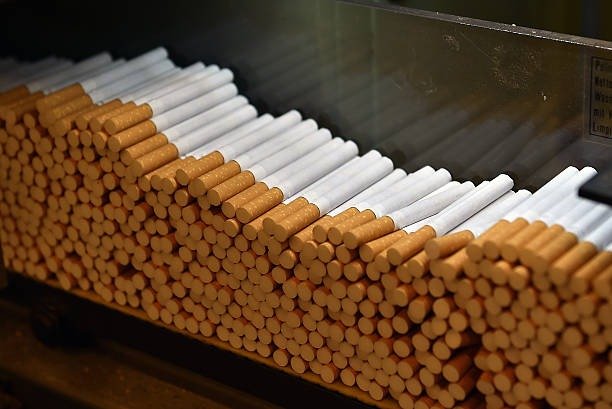


Understanding Duty-Free Cigarettes in Canada: What Buyers Actually Pay
Duty-free cigarettes in Canada are sold without federal excise duty, provincial tobacco tax and import duty — but only through licensed duty-free shops at airports and land border crossings, and only to travellers who qualify under CBSA personal exemption rules. That legal boundary is the single most important thing to understand before you compare prices, because a duty-free price tag is not a commercial price list.
For B2B buyers, distributors and retail operators, the real question behind how much are duty free cigarettes in Canada is not just the sticker price. It is what that price includes, how many units you are legally allowed to bring in, and whether the channel can support resale at all. This guide breaks down current price ranges, the official allowances, compliance requirements and the alternative sourcing routes that actually work for volume buyers.
Quick answer: duty-free cigarettes in Canada typically sell for roughly CAD $55–$95 per carton (200 cigarettes) at airport and land border shops, compared with roughly CAD $130–$200 per carton at domestic retail. The catch: each returning traveller may bring in only 200 cigarettes (one carton) free of duty and taxes.
Prices vary by brand, province of entry and airport operator, and are quoted here as market estimates rather than official rates.
200
Cigarettes allowed duty-free per returning traveller
$55–$95
Typical duty-free carton price range (CAD)
18–19
Minimum purchase age, depending on province
0
Cartons that may be resold without a licence and excise stamps
How Much Are Duty-Free Cigarettes in Canada? Current Price Ranges
Duty-free pricing in Canada is not published as a national rate card. Each airport concessionaire and border store sets its own shelf prices, and those prices move with the federal excise duty schedule, provincial tax changes and brand availability. What you can rely on is the general spread between channels.
| Purchase channel | Typical price per carton (200 cigarettes) | Who it suits |
|---|---|---|
| Airport duty-free shop (departures) | CAD $60–$95 | Outbound travellers, personal use |
| Land border duty-free store | CAD $55–$85 | Cross-border drivers, personal use |
| Domestic retail (provincial stores) | CAD $130–$200 | Everyday consumers |
| Online bulk & mix-and-match programmes | Volume-dependent | High-frequency buyers, brand-led orders |
Why the duty-free price is lower — and what it does not cover
The gap exists because duty-free merchandise leaves the supply chain before federal excise duty and provincial tobacco tax are applied. In high-tax provinces such as Ontario, British Columbia and Quebec, those taxes can account for the majority of a retail pack price, which is why the duty-free saving looks dramatic on paper.
What the ticket does not cover is quantity. A duty-free shop may happily sell you five cartons, but your legal allowance on return is still one carton. Anything above the allowance must be declared, and duty and taxes are assessed on the excess at the border — often erasing the entire saving.

Duty-free pricing looks attractive per carton, but the personal allowance — not the shelf price — decides what you can legally carry.
Canada Duty-Free Allowances: How Many Cartons Can You Bring In?
The Canada Border Services Agency sets fixed tobacco limits for travellers returning to Canada. These limits apply to personal use and are not transferable, and they cannot be pooled across a group of travellers to justify a larger commercial quantity.
| Tobacco category | Duty-free limit per person |
|---|---|
| Cigarettes | 200 cigarettes (1 carton) |
| Cigars and cigarillos | 50 units |
| Manufactured tobacco | 200 grams |
| Tobacco sticks | 200 sticks |
How the personal exemption value interacts with tobacco
Value exemptions and tobacco limits are two separate rules. After an absence of 24 hours or more you may claim a personal exemption of up to CAD $200, but tobacco and alcohol cannot be included in a 24-hour claim. Tobacco only becomes eligible once your absence reaches 48 hours, and the exemption value rises to CAD $800 after seven days.
In practice, this means the classic “quick cross-border run” produces no duty-free tobacco entitlement at all. The 200-cigarette allowance is available to returning residents who meet the absence and age requirements — not to same-day shoppers.
Border tip: always declare tobacco purchases in full. Under-declaration can trigger seizure of the goods, penalties and loss of exemption privileges on future trips — a far larger cost than the duty itself. Official rules are summarised by Health Canada under Canadian tobacco regulations and enforced at the border by CBSA.
Duty-Free vs. Retail vs. Wholesale: A Channel Comparison for Resellers
If you operate a retail counter, convenience store or distribution business, duty-free is almost never the right channel. Duty-free goods are sold for personal use only and are not intended for resale; reselling them without the correct licence and tax stamps is a compliance problem, not a sourcing strategy.
Duty-free shops
Best for: individual travellers buying for personal use.
Limit: 200 cigarettes per returning adult.
Resale: not permitted.
Licensed wholesale distributors
Best for: licensed retailers and c-stores.
Limit: governed by provincial licensing.
Resale: permitted with correct excise stamping.
Online specialty retail
Best for: brand variety and bulk personal orders.
Limit: order sizes set by the retailer.
Resale: buyer is responsible for local law.
Compliance Essentials: Excise Stamps, Packaging and Provincial Rules
Anyone moving tobacco into a commercial channel in Canada should be fluent in three regulatory pillars before placing an order. Getting these wrong is expensive, and it is the most common reason new buyers lose money on a first shipment.
1. Excise stamps
Every legal carton of cigarettes sold in Canada must carry a federal excise stamp. The stamp confirms that duty has been paid and allows the product to be tracked through the supply chain. Information on how stamps work for consumers and businesses is published by the Canada Revenue Agency under Canadian tobacco excise stamps.
2. Plain packaging and health warnings
Canada requires standardised, unbranded packaging with prominent health warnings and health information messages. This applies to all tobacco products sold in Canada, regardless of where the manufacturer is based. The requirements are set out in Health Canada’s Canadian cigarette packaging rules, and any imported product that does not comply can be refused or seized.
3. Provincial tax and minimum pricing
Ontario, Quebec, British Columbia, Alberta and other provinces each apply their own tobacco tax rates, registration requirements and — in several cases — minimum retail price rules. A price that works in one province may be illegal in another, so provincial verification should be part of every purchasing plan.

Compliant packaging, excise stamps and provincial registration decide whether a tobacco order can legally move through a commercial channel.
Buying Cigarettes Online in Canada: What Volume Buyers Should Look For
Because duty-free allowances cap out at one carton per traveller, most buyers who need consistent volume — whether for personal stock, gifting, event supply or brand comparison — turn to established online retailers instead. The practical advantages are predictable inventory, transparent per-pack pricing and access to brands that duty-free shops rarely stock.
SmokeKing is a trusted online smoke shop serving customers across Canada with a wide selection of quality cigarette and tobacco products. The platform provides a convenient online shopping experience that lets customers explore different brands, place orders securely and receive products through reliable delivery services, with a focus on customer satisfaction, competitive pricing and dependable service for customers throughout Canada.
Brand depth and flavour coverage
A serious online catalogue should cover full flavour, light, ultra light and menthol profiles, plus the value and premium tiers that different customer segments actually ask for. SmokeKing’s cigarette brand directory spans Canadian Classics, Canadian Goose, BB, Dakota, DK, duMont, Nexus, Nexx, Playfares, Putters, Rolled Gold, Pop N’ Smoke and more, while the menthol cigarette range covers buyers who want a cooling profile rather than a full-strength smoke.
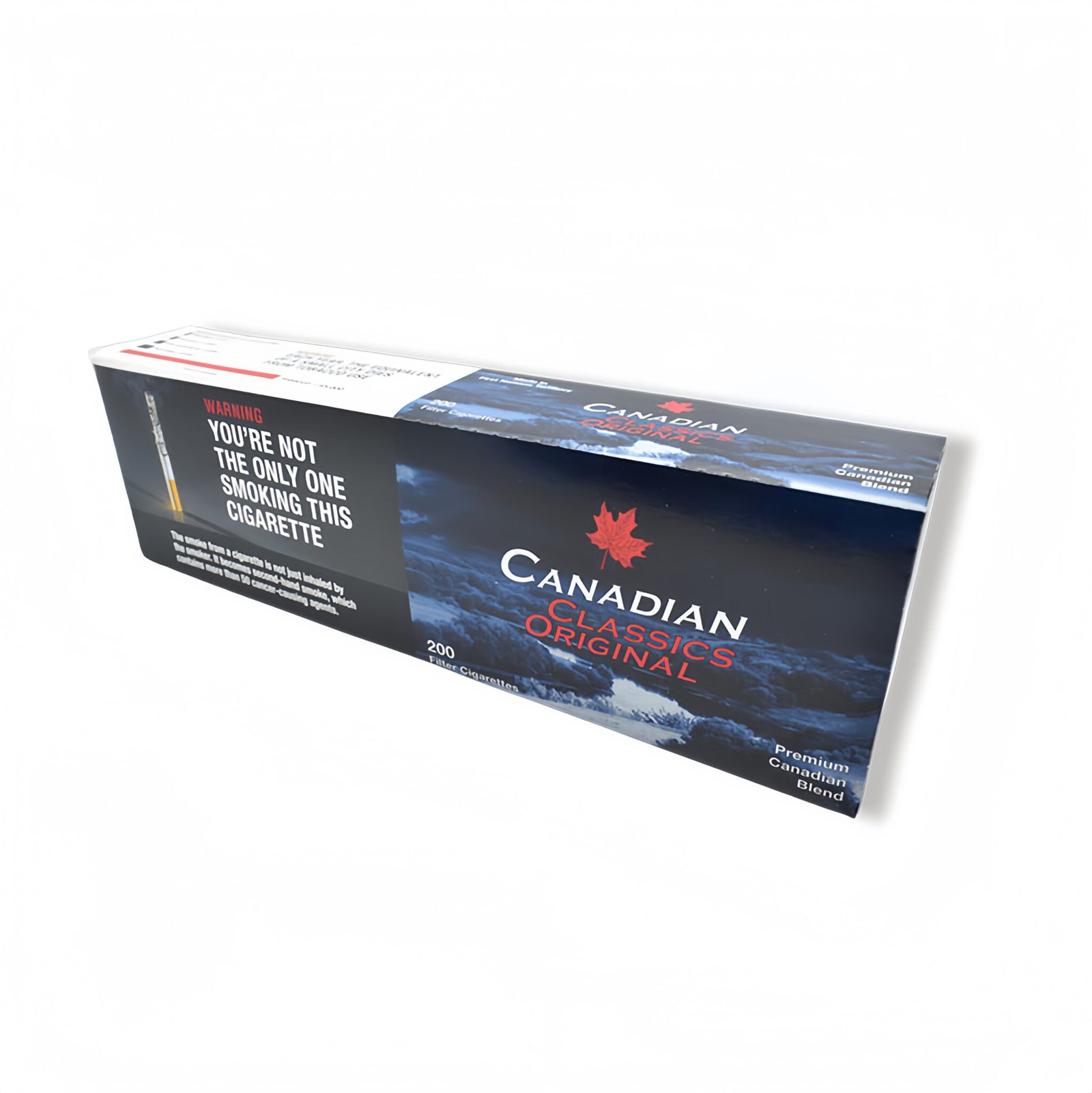
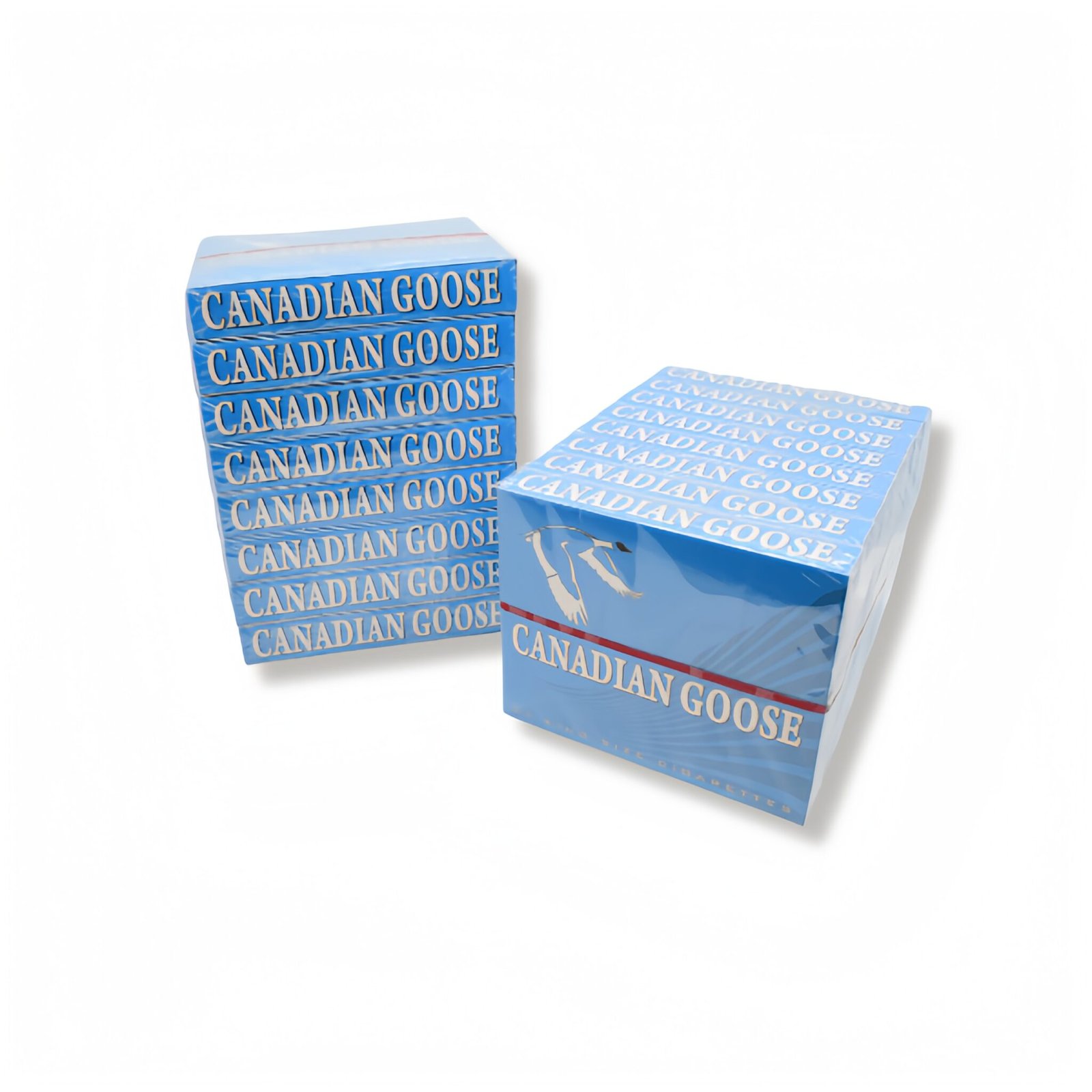
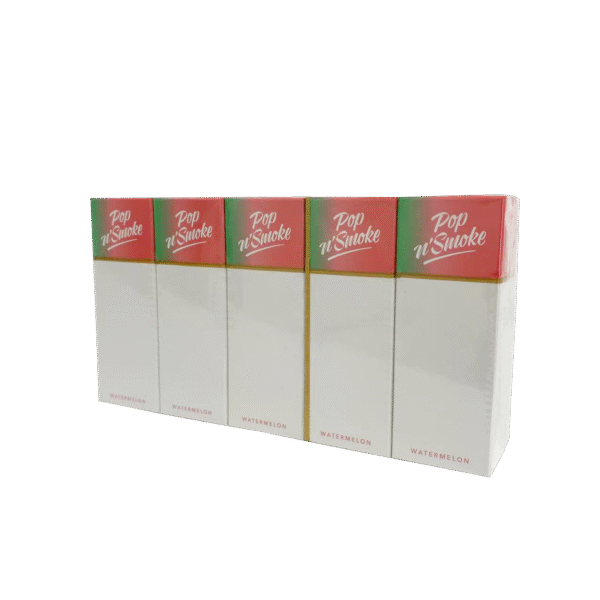

For buyers comparing channels, the full cigarette catalogue is the fastest way to benchmark per-pack pricing against duty-free estimates and local retail, especially once you factor in travel cost and the one-carton allowance.
Duty-Free vs. Online Bulk Buying: Which Channel Fits Your Needs?
The honest answer depends on volume and purpose. Duty-free wins on unit price for a single traveller buying one carton. It loses on scalability, brand choice and repeatability — and it offers no path to resale.
| Factor | Duty-free shop | Online bulk retailer |
|---|---|---|
| Unit price | Lowest per carton | Competitive, improves with volume |
| Quantity available | Capped at 200 cigarettes | Scales to multi-carton orders |
| Brand selection | Narrow, rotating stock | Deep, category-sorted catalogue |
| Requires travel | Yes | No |
| Repeatability | Limited by trip frequency | Reorder on demand |

For repeat buyers, order consistency and brand availability usually matter more than a one-off duty-free saving.
A Practical Buying Checklist Before You Order
Step 1 — Confirm your purpose. Personal use qualifies for duty-free allowances; resale requires licensing and excise-stamped stock.
Step 2 — Verify your provincial rules on minimum age, tobacco tax and retail price floors before comparing any quote.
Step 3 — Check the packaging. Canadian-compliant plain packaging and health warnings are mandatory.
Step 4 — Benchmark per-pack pricing across at least three channels, including travel cost for any duty-free trip.
Step 5 — Match the flavour profile to your audience: full flavour, light, ultra light or menthol.
Step 6 — Confirm delivery coverage, order minimums and payment security with the supplier before committing to volume.
Frequently Asked Questions
How much are duty-free cigarettes in Canada per carton?
Most airport and land border duty-free shops in Canada price a carton of 200 cigarettes at roughly CAD $55–$95, depending on the brand and the province of entry. Domestic retail for the same carton typically runs CAD $130–$200, so the saving is real — but it applies only within the personal allowance.
How many cartons of cigarettes can I bring into Canada duty-free?
One carton, meaning 200 cigarettes, per returning traveller who meets the age and absence requirements. You may also bring 50 cigars or cigarillos, 200 grams of manufactured tobacco and 200 tobacco sticks. Anything above those limits must be declared and is subject to duty and taxes.
Can I buy duty-free cigarettes online in Canada?
Genuine duty-free purchases require a physical duty-free shop at an airport or border crossing and a qualifying traveller. Online retailers such as SmokeKing sell tax-applicable products through a normal retail channel rather than a duty-free one, which is why they can offer consistent stock and delivery instead of a one-trip allowance.
Are duty-free cigarettes cheaper than buying from a wholesale supplier?
Per carton, often yes — but only for a single traveller’s allowance. Once you need more than 200 cigarettes, or need to reorder regularly, the duty-free advantage disappears because the excess is taxed at the border and the goods cannot legally be resold. For volume and repeatability, a licensed or online bulk channel is more cost-effective overall.
Is it legal to resell duty-free cigarettes in Canada?
No, not without the appropriate provincial licensing and federal excise stamping. Duty-free tobacco is sold for personal use, and reselling it can result in seizure, penalties and prosecution. Retailers should source through licensed distributors or verified suppliers that operate within Canadian tobacco law.
Final Thoughts: Price Is Only Half the Calculation
Duty-free cigarettes in Canada look inexpensive because federal excise duty and provincial tobacco tax are removed from the shelf price — but the allowance of 200 cigarettes per traveller puts a hard ceiling on how much of that saving anyone can actually capture. For occasional travellers, a duty-free carton is a straightforward win. For buyers who need volume, brand variety and reliable restocking, an established online retailer is the more practical route.
If you are comparing channels, want current pricing on Canadian Classics, Canadian Goose, BB, Dakota, Playfares, Pop N’ Smoke or any other brand in stock, or need help building a bulk order that fits your requirements, the SmokeKing team can help. Browse the complete product range, review the brand directory, or contact us directly for a quote and delivery timeline.
Request a quote today
Tell us the brands, flavour profiles and quantities you need, and we will confirm availability, pricing and shipping across Canada. Get in touch with SmokeKing →
This article is provided for general information only and does not constitute legal or tax advice. Tobacco products are restricted to adults of legal age in the relevant province or territory, and all purchases are subject to applicable Canadian federal and provincial law.